It’s not a helicopter. Come and fly along.
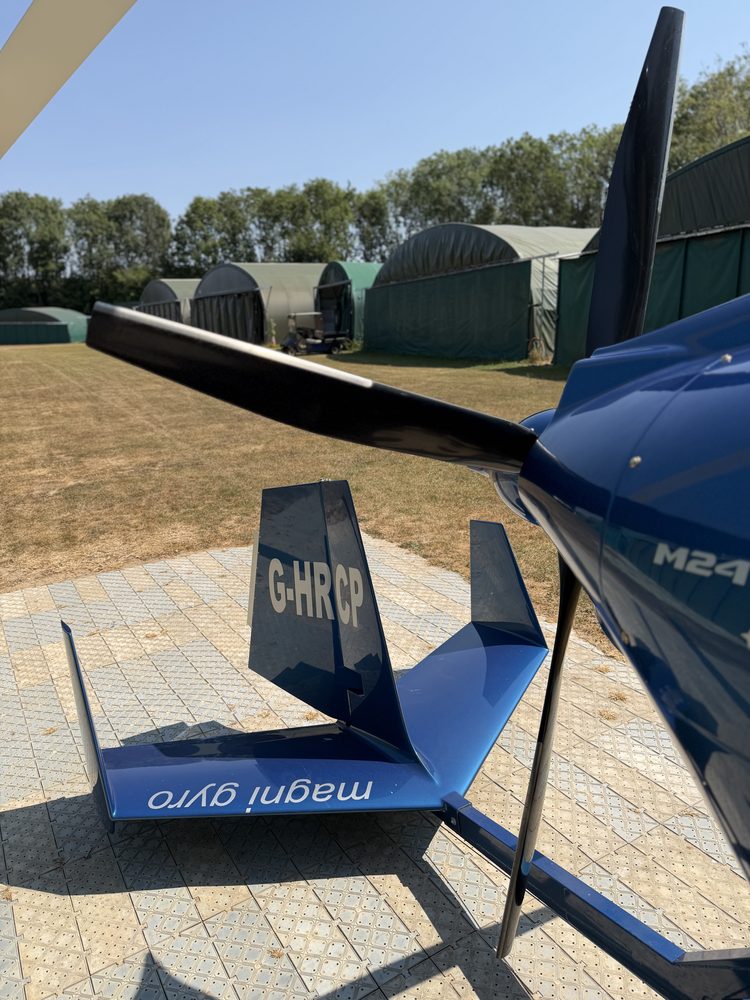
I’m Andy, and this is my gyroplane, G-HRCP. Here I share real cockpit footage, plain-English lessons from the handbook I trained with, and an honest look at what it takes to learn to fly a gyro in the UK.
A fellow pilot sharing the journey, not a flight school.
“Believe on the ground. Achieve in the air. Everything in between is practice.
Believe and Achieve is the motto I fly by. Every pilot started out as someone looking up and wondering. If that’s you, you’re in the right place.
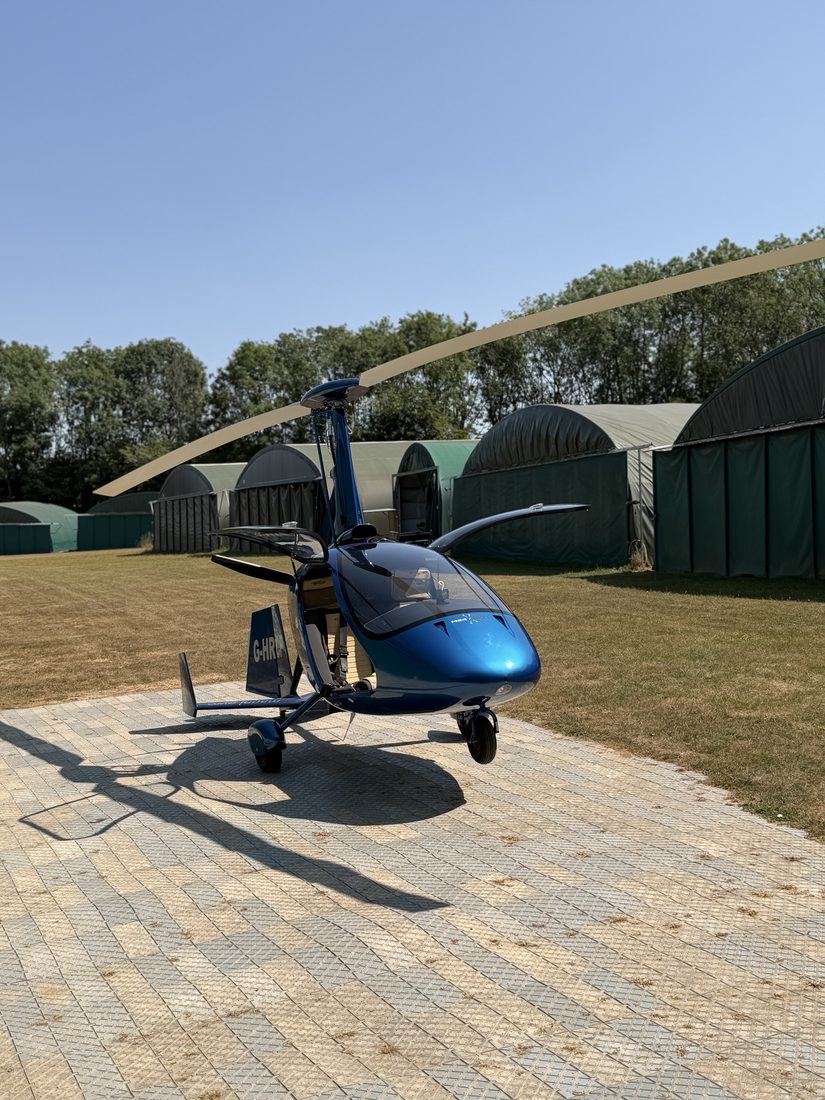 G-HRCP
Say hello to G-HRCP.
She’s my Magni M24 Plus gyroplane. The first time you see one, the big rotor on top says “helicopter”, but she flies in a completely different way.
- 01Two seats, side by sideEach with its own stick, so whoever’s alongside you sits right next to you.
- 02A pusher propellerThe engine drives the propeller at the back, not the rotor.
- 03An unpowered rotorAir flowing up through it keeps it spinning. That’s autorotation, and it’s what gives us lift.
Clear lessons, in plain English.
Short, honest explainers drawn from what I learned and from The Gyroplane Pilot’s Handbook by Phil Harwood, the book I trained with.
 Handbook lesson
Keep the stick still: the secret to a good approach
Why a constant speed matters more than an exact number, how the wind changes where you start, and staying on the centreline.
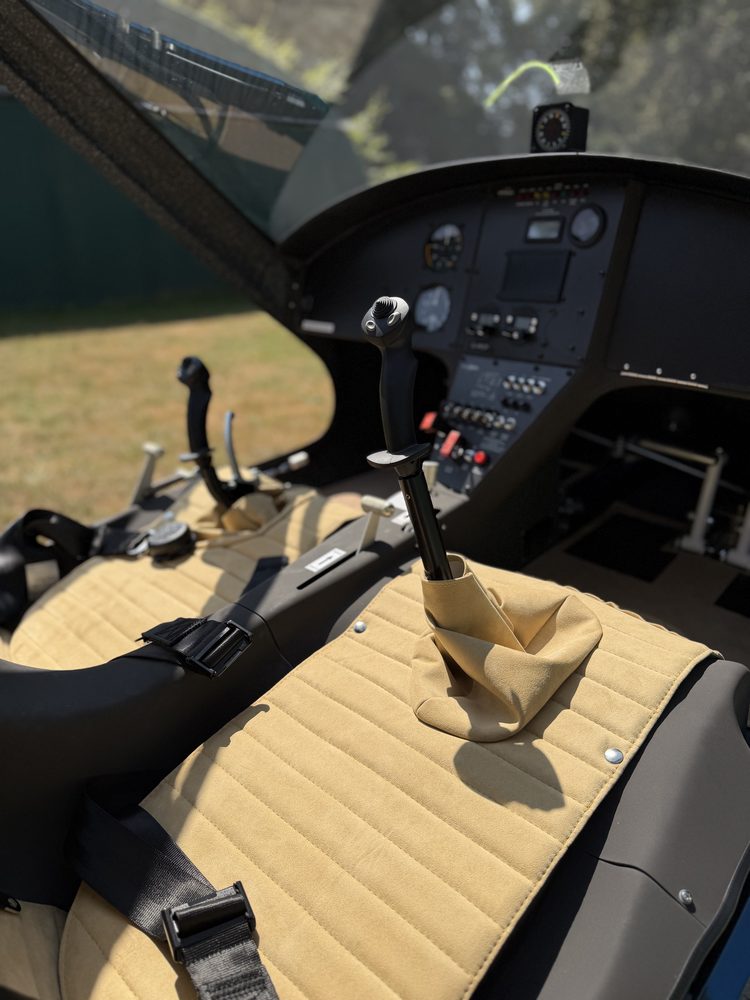
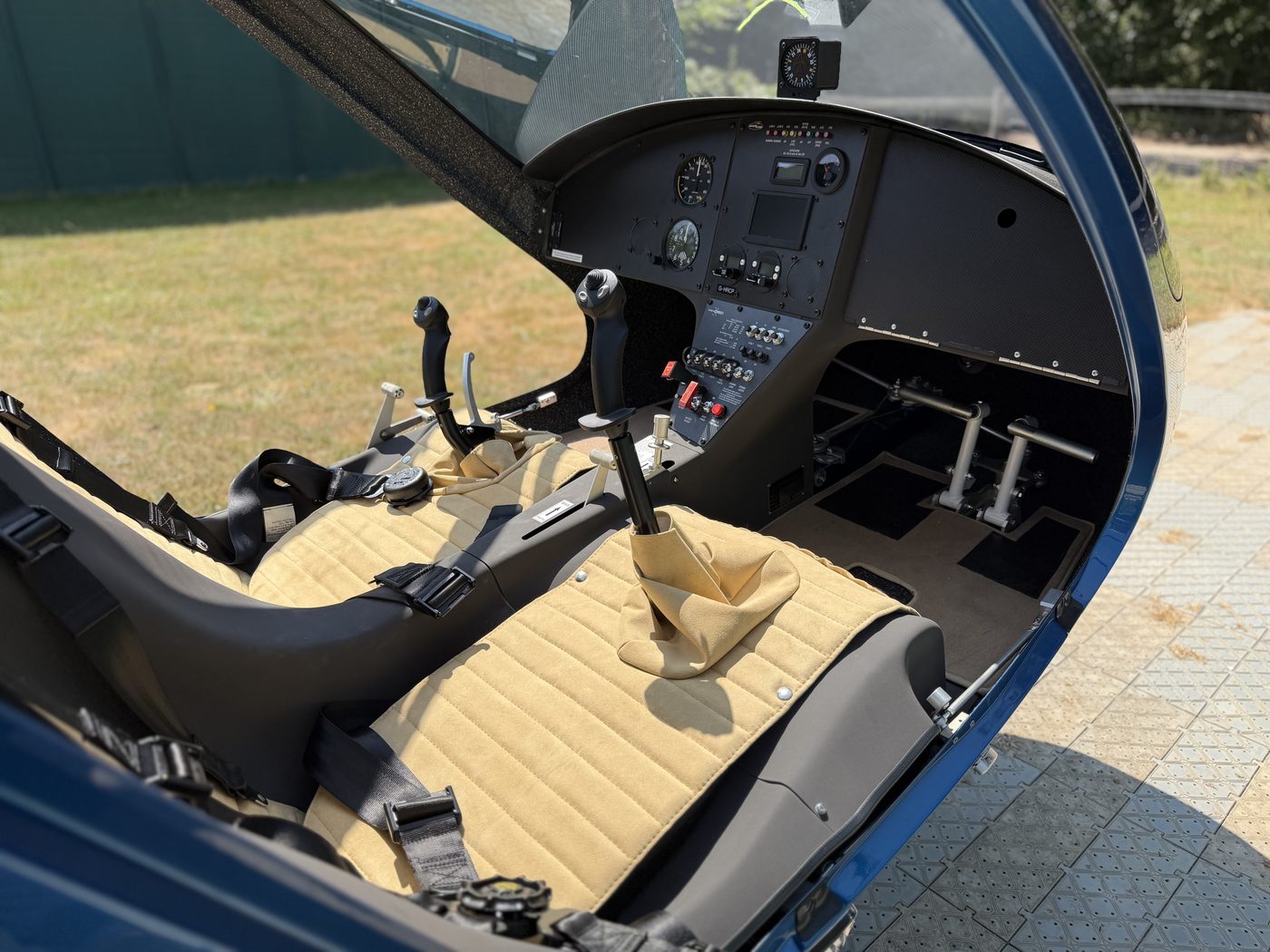 Cockpit tour
Come and sit in the cockpit with me
The stick, the rudder pedals, the throttle, the panel, and the humble bit of yellow yarn that tells you if you’re flying straight.
 The basics
Gyro, helicopter or plane? How they differ
Fixed wings, a powered rotor or a free-spinning one. What each means for hovering, short take-offs and an engine failure.
I’m sharing what I learned, not giving flying instruction. Your instructor will give you the right technique and numbers for your aircraft.
See it from the seat.
Real, unpolished GoPro footage from G-HRCP’s cockpit, so you can see what flying a gyro actually looks like.
- A first flight clip, start to finish
- Cockpit view on the approach
- Short clips that go with each lesson
How do you actually learn to fly one?
In the UK, the licence is the PPL(G), the Private Pilot’s Licence for gyroplanes. Here’s the path in four steps.
Find an instructor
You train with a CAA-authorised gyroplane instructor. A trial lesson is a great way to find out if it’s for you.
Fly the hours
At least 40 hours of flight training, including at least 15 dual and 10 solo (3 of them cross-country).
Pass the theory
Five exams: Aviation Law, Human Performance, Navigation, Meteorology and Gyroplane Technical. Plus a medical before you go solo.
Take the test
Finish with a skill test with an examiner. To use the radio you’ll need a separate radio licence too.
Ready to talk to a real instructor?
I’m not selling training. When you’re ready, the best next step is a chat with a CAA-authorised gyroplane instructor. The British Rotorcraft Association is a good place to start looking.
These are the minimums, from CAA Standards Document 44 (v6, October 2025), checked 4 October 2026. Rules can change, so always confirm the current requirements with an instructor. The full UK path →
A fellow pilot, sharing the journey.
I’m Andy Harcup. I fly G-HRCP, and I set this up to share the things I wish I’d been able to see and read when I was starting out.
[ANDY: a line or two on how you got into gyros]
No sales pitch, no jargon. Just real footage, clear lessons and a friendly nudge towards the people who can actually teach you.More about me →